
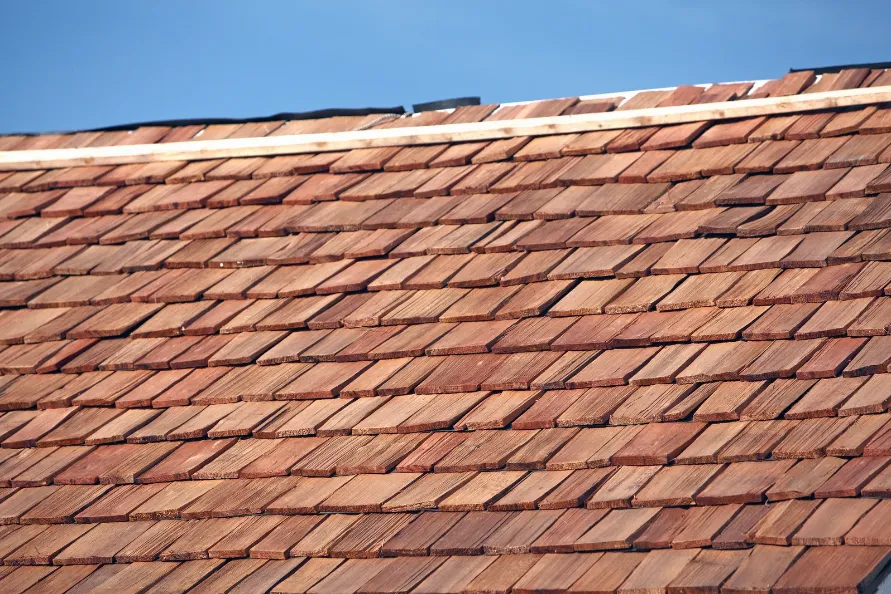
Cedar Shake Roofing Maintenance: What Homeowners Should Expect
There's something about a cedar shake roof that just feels like home. That warm, natural texture and the way it slowly weathers into a soft silver-gray give a house real character, and it's no wonder so many families across Northern Virginia love the look.
But a cedar shake roof is a little different from an asphalt shingle roof. It's a natural wood product, and like anything made of wood that sits outside year-round, it needs some attention to stay healthy. The good news? Cedar shake roofing maintenance isn't complicated once you know what to look for.
Whether you already have a cedar shake roof over your head or you're thinking about choosing one for your home, here's an honest look at what to expect.
Why Homeowners Choose a Cedar Shake Roof
Before we get into maintenance, it helps to understand why cedar is worth the extra care.
Natural beauty. No two shakes are exactly alike, so every roof has its own look. Cedar pairs especially well with colonial, craftsman, cottage, and farmhouse-style homes.
Built-in durability. Cedar contains natural oils that help it resist rot and insects.
Insulation. Wood is a natural insulator, which can help keep your home a bit more comfortable through hot summers and chilly winters.
Long lifespan. A well-cared-for cedar shake roof can last 30 years or more. A neglected one may need replacing much sooner.
That last point is the key. How long your cedar roof lasts depends a lot on how well it's looked after.
What to Expect on Cedar Shake Roofing as It Ages
One of the most common questions we hear is, "Is this normal?" Here's what to expect on cedar shake roofing over the years, and what's simply part of the wood's natural life.
Color Change Is Normal
New cedar starts out with a warm reddish-brown or honey tone. Within the first year or two, sun and rain will turn it a silvery gray. That's not damage. It's just cedar doing what cedar does. Some homeowners love the weathered look, while others prefer to apply a treatment to slow the change.
Small Cracks and Splits Can Happen
Shakes are hand-split or split-sawn, so they have a rugged texture to begin with. Over time, some shakes may develop small checks or splits as the wood expands and contracts with the seasons. A few minor splits usually aren't a problem, but a shake that's split all the way through, or one that's curling, cupping, or loose, should be looked at.
Moss, Algae, and Lichen Love Shade
If your home sits under mature trees (and plenty of Northern Virginia homes do), you may notice green or black growth on the shady side of your roof. Moss holds moisture against the wood, and that moisture is cedar's biggest enemy. It's not something to ignore.
Your Cedar Shake Roofing Maintenance Checklist
Here's what a solid maintenance routine looks like for most homes.
1. Schedule Inspections Twice a Year
Spring and fall are the ideal times for a roof check. Spring lets you see how the roof handled winter's freeze-thaw cycles, and fall gets you ready before the cold sets in. It's also smart to have your roof looked at after any major storm, especially one with strong winds or hail.
During an inspection, a roofing professional will look for:
Cracked, split, curled, or missing shakes
Signs of rot or soft spots
Moss, algae, or debris buildup
Damaged or loose flashing around chimneys, vents, and skylights
Proper attic ventilation
2. Keep the Roof Clear of Debris
Leaves, pine needles, and twigs tend to collect in valleys and in the gaps between shakes. When that debris stays wet, it speeds up decay. Keeping your roof clean helps it dry out properly after rain, which is one of the simplest ways to extend its life.
3. Clean Your Gutters Regularly
Clogged gutters can cause water to back up under the bottom rows of shakes. Plan on cleaning gutters at least twice a year, and more often if you have a lot of trees nearby.
4. Trim Overhanging Branches
Branches that hang over your roof drop debris, block sunlight, and can scrape against the shakes in the wind. Trimming them back lets more sun and air reach the roof, which helps keep moss from taking hold.
5. Address Moss and Algae the Right Way
This is where a lot of well-meaning homeowners get into trouble. Never pressure wash a cedar shake roof. High pressure can strip away wood fibers, force water under the shakes, and shorten the life of your roof in a single afternoon. Moss and algae should be removed with gentle cleaning methods and appropriate treatments.
Some homeowners also choose to install zinc or copper strips near the ridge. When rain washes over the metal, it helps discourage new growth further down the roof.
6. Consider Periodic Treatments
Cedar treatments and preservatives can help the wood resist moisture, UV damage, and growth. How often your roof needs treatment depends on its age, condition, and how much sun and shade it gets. A roofing professional can tell you whether your roof would benefit and when the right time is.
7. Replace Damaged Shakes Promptly
One of the nice things about a cedar roof is that individual shakes can often be replaced without redoing a whole section. Catching a damaged shake early keeps a small fix from turning into a leak, and a leak from turning into a bigger repair.
What Not to Do
A few habits can do more harm than good:
Don't walk on your roof. Cedar can be slippery, especially when wet or mossy, and foot traffic can crack shakes.
Don't pressure wash. We'll say it one more time because it matters that much.
Don't ignore small problems. A single split shake is an easy fix. Water damage to the roof deck underneath is not.
Don't let debris sit all winter. Wet leaves trapped under snow and ice are a recipe for rot.
Thinking About a Cedar Shake Roof for Your Home?
If you're considering cedar for your home, here are a few honest things to weigh:
Upfront cost. Cedar shake typically costs more than asphalt shingles to install.
Ongoing care. Plan on regular inspections and cleaning to get the most out of your investment.
Local requirements. Some neighborhoods, HOAs, and local codes have rules about wood roofing or fire-rated materials. It's worth checking before you commit.
The payoff. In return, you get a roof with timeless curb appeal, natural insulation, and a long lifespan when it's properly maintained.
If you love the look but aren't sure you're ready for the upkeep, talk with a roofer about your options. The right choice is the one that fits your home, your budget, and how much maintenance you're comfortable with.
Frequently Asked Questions
How long does a cedar shake roof last?
With regular maintenance, a cedar shake roof can last 30 years or more. Roofs in heavily shaded or humid spots, or those that go without care, may wear out sooner.
How often should a cedar shake roof be inspected?
Twice a year, ideally in spring and fall, plus after any major storm.
Is it normal for my cedar roof to turn gray?
Yes. Weathering to a silver-gray color is a natural part of cedar's aging process and doesn't mean anything is wrong.
Can I clean my cedar shake roof myself?
Light debris removal from the ground or a ladder is fine for gutters, but walking on the roof or using a pressure washer can cause damage. It's safer to leave roof cleaning to a professional.
Can a few damaged shakes be replaced, or do I need a whole new roof?
In many cases, individual shakes can be replaced. A roof inspection will tell you whether spot repairs will do the job or if the roof is nearing the end of its life.
Let Cassella Roofing Help You Protect Your Roof
Your roof protects everything and everyone underneath it, so it deserves a little care in return. At Cassella Roofing, we're a family business that has helped hundreds of Northern Virginia homeowners keep their roofs strong and their homes protected. We'll give you clear answers, honest recommendations, and quality workmanship from the first visit to the final cleanup.
Not sure what shape your cedar shake roof is in? Start with a FREE roof assessment. You'll get a clear picture of your roof's condition and a written estimate, with zero cost and no obligation.
Call us today at (571) 605-2462 or schedule your free roof assessment online. If you're dealing with an active leak, give our office a call for immediate help.
