TPO and EPDM Roofing: A Northern Virginia Business Owner's Guide to Commercial Flat Roofing
Commercial roofing is a different animal than residential roofing. The materials are different, the installation methods are different, and the stakes — in terms of protecting your business operations, inventory, and assets — are higher. If you own or manage a commercial property in Northern Virginia with a flat or low-slope roof, you've likely encountered the terms TPO and EPDM. Maybe a contractor mentioned them in passing. Maybe you're actively comparing options for an upcoming replacement.
Either way, this guide will help you understand both systems clearly so you can make an informed decision.
What Is TPO Roofing?
TPO stands for Thermoplastic Polyolefin. It's a single-ply membrane roofing system that has become one of the most popular options for commercial flat roofs over the past two decades — and for good reason.
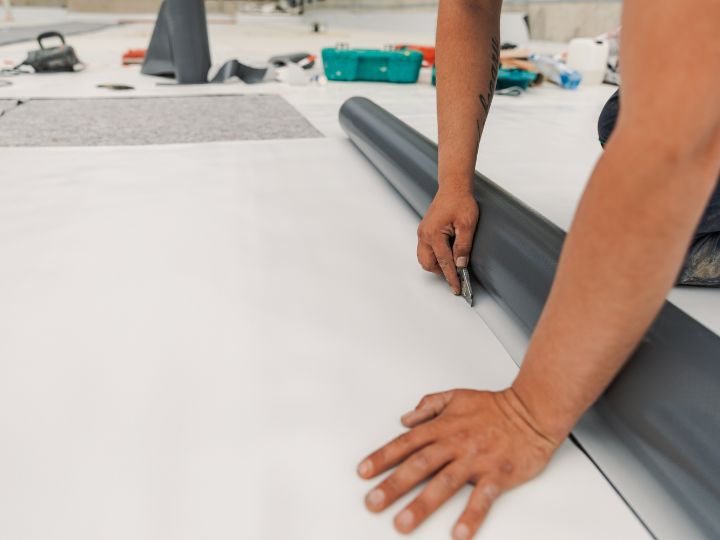
TPO membranes are installed as large, flexible sheets that are heat-welded at the seams. That welded seam is a key feature: when properly installed by a trained crew, heat-welded TPO seams are typically stronger than the membrane itself, creating a highly durable, watertight system. The white or light-colored surface of TPO membranes reflects sunlight rather than absorbing it, which contributes to meaningful energy savings during Virginia's hot summer months.
Key characteristics of TPO:
Energy efficient. The white reflective surface reduces cooling loads, which can noticeably reduce summer energy costs for climate-controlled commercial spaces.
Durable seam system. Heat-welded seams provide excellent long-term waterproofing performance when installed correctly.
Lightweight. TPO is lighter than some alternative systems, reducing dead load on your structure.
Resistant to UV, ozone, and chemical exposure. Good performance in a variety of environmental conditions.
Cost-competitive. TPO generally offers a strong balance of performance and upfront cost, making it one of the most commonly specified commercial systems for budget-conscious projects.
Typical lifespan: 20–30 years with proper maintenance.
TPO is particularly well-suited for businesses in buildings with significant HVAC loads where energy savings on cooling costs can offset the roofing investment over time.
What Is EPDM Roofing?
EPDM stands for Ethylene Propylene Diene Monomer — which is a synthetic rubber roofing membrane. Where TPO is typically white or light-colored, EPDM is most commonly installed in black (though white versions are available). It's been in use since the 1960s and has one of the longest track records in the commercial roofing industry.
EPDM is available in large sheets that are adhered, mechanically fastened, or ballasted (held in place with stone aggregate) to the roof deck. Seams are sealed with adhesive or tape rather than heat welding.
Key characteristics of EPDM:
Exceptional proven longevity. EPDM has decades of real-world performance data behind it. Well-maintained EPDM roofs have been known to last 30–50 years.
Flexibility in cold temperatures. Rubber remains pliable in cold weather, which matters during Virginia winters when some other materials can become brittle.
Good resistance to weathering and UV. EPDM holds up well against ozone degradation, temperature cycling, and standard weather exposure.
Repairability. EPDM is relatively straightforward to repair in sections when damage occurs, which can lower long-term maintenance costs.
Lower heat reflectivity (in black). Standard black EPDM absorbs solar heat rather than reflecting it, which can increase summer cooling costs. White EPDM or reflective coatings can address this if energy efficiency is a priority.
Typical lifespan: 25–50 years with proper care.
EPDM is a particularly strong choice for properties in colder climates or for building owners who prioritize long-term durability and low maintenance over near-term energy efficiency metrics.
TPO vs. EPDM: Which Is Better for Your Northern Virginia Property?
The honest answer is: it depends. Both are proven, quality systems when properly installed. The best choice for your property depends on a few key factors:
Energy efficiency priorities. If reducing summer cooling costs is a meaningful concern for your business, TPO's reflective surface gives it a clear advantage in Virginia's climate. White EPDM is an option, but standard black EPDM will absorb heat.
Budget. Both systems are generally comparable in cost, though specifics vary based on building size, existing roof conditions, insulation requirements, and other factors. Get a proper estimate for each system before making a cost-based comparison.
Long-term durability goals. If you're looking for the system with the longest proven track record, EPDM's decades of performance history is hard to argue with. TPO is also durable, but it's a younger product category with a shorter real-world track record.
Existing roof conditions. If you're replacing an existing roofing system, the condition of your current deck, insulation, and drainage systems will factor into which new system integrates most effectively.
Your contractor's expertise. This one matters more than most building owners realize. TPO's heat-welded seam system requires proper equipment and skilled technique — a poorly welded seam will fail. EPDM's adhesive seam system requires proper surface preparation and application. Both systems perform as well as the crew installing them.
Commercial Roof Inspection, Repair, and Maintenance
Regardless of which commercial roofing system you have or choose, ongoing maintenance is what protects your investment. Commercial flat roofs need:
Annual professional inspections to identify membrane issues, seam separations, ponding water problems, and flashing defects before they become leaks
Prompt repair of any identified issues — small problems on a flat roof become large problems quickly when water is involved
Post-storm inspections after significant hail or wind events, since commercial membranes are susceptible to impact damage and wind uplift
At Cassella Roofing, we provide commercial roofing inspections, repairs, replacements, and ongoing maintenance programs for business and property owners throughout Northern Virginia. Whether you're dealing with an active leak, planning for a roof replacement, or simply want a professional assessment of your current system's condition, we're equipped to help.
Working with a Commercial Roofing Contractor in Northern Virginia
Not every residential roofing contractor has the experience and equipment to properly install or maintain commercial flat roofing systems. It's worth asking specifically about a contractor's experience with TPO and EPDM systems, the equipment they use for welding or membrane installation, and their portfolio of commercial projects in the area.
At Cassella Roofing, commercial roofing is a core part of what we do. We'll give you a straight assessment of your current roof's condition, a clear explanation of your options, and a transparent estimate — so you can make the right decision for your building and your business.
Ready to talk about your commercial roof? Call Cassella Roofing at (571) 594-6393 or visit cassellaroofing.com/contact-us to schedule a consultation. We serve commercial and residential properties throughout Northern Virginia, including Fairfax County, Loudoun County, Arlington County, Prince William County, Fauquier County, and the surrounding region.
