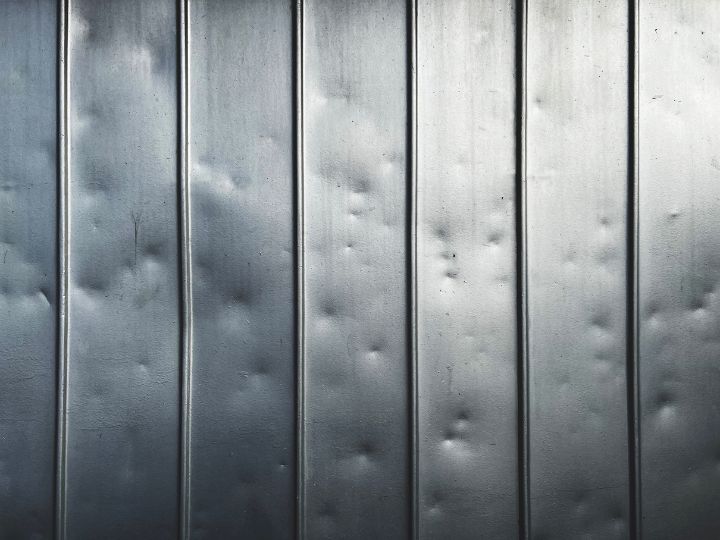
Soft Metal Damage: The Storm Damage Most Homeowners Don't Know About
When people hear "storm damage," they usually think of missing shingles or a ceiling leak. Those are the obvious, visible signs that something went wrong. But there's a category of storm damage that gets missed constantly — by homeowners and sometimes even by insurance adjusters — and it goes by a name most people aren't familiar with: soft metal damage.
Understanding what soft metals are, why they're vulnerable, and why this type of damage matters for your home and your insurance claim is one of the most valuable things you can know as a Northern Virginia homeowner.
What Are "Soft Metals" on a Roof?
Soft metals refer to the aluminum, copper, and galvanized steel components that make up your roof's accessory systems — the parts that aren't shingles but are critical to keeping your home weathertight. These include:
Gutters and downspouts
Drip edge and fascia flashing
Chimney caps and chimney flashing
Ridge cap accessories
Roof vents and covers
Pipe boots and collars
Step flashing (along walls and dormers)
Skylight frames and apron flashing
These components are called "soft" metals because, compared to structural steel, they're relatively malleable — meaning they dent, deform, and show impact marks readily. And that's precisely why they're so important during a storm damage inspection.
Why Soft Metal Damage Matters
Here's the thing about soft metals: they're excellent at showing exactly what happened during a storm. When hail strikes a metal gutter or chimney cap, it leaves a very specific, round impact mark that is distinct from normal wear and tear. Unlike shingles — where the damage can be subtle, hard to photograph, and open to interpretation — soft metal damage is documented evidence that your home took hail or debris impacts.
For insurance claims, soft metal damage is often the clearest proof that a storm event caused impact to your home's exterior. If your gutters, downspouts, and vent covers show consistent hail strikes, that's compelling evidence to an adjuster that the rest of your roof system was impacted as well — even if the shingle damage is less dramatic.
Beyond the claims angle, soft metal damage is also a functional concern:
Dented or bent flashing can pull away from the roof surface, creating gaps where water can intrude
Damaged chimney caps allow water to enter the chimney
Compromised pipe boots and vent collars can crack or seal improperly, leading to leaks at roof penetrations
Bent or separated gutters can direct water against your fascia and foundation instead of away from them
What Soft Metal Damage Looks Like
Knowing what to look for can help you identify whether your home needs an inspection after a storm. Here are some visual signs to watch for from the ground:
Gutters and Downspouts Hail impacts leave small, round dents — sometimes dozens of them in a pattern across the length of your gutters. Wind events can cause gutters to pull away from the fascia, bow outward, or crack at connection points.
Vent Covers and Caps Metal vent covers often show obvious impact dents after hail. Plastic vent covers may crack or fracture. In either case, compromised vents can allow water, insects, and debris into your attic space.
Chimney Caps These are one of the first things we look at during a post-storm inspection. Chimney caps take direct hits from hail and are often very clearly marked. Damage here is hard for an adjuster to dispute.
Flashing Flashing damage can be harder to see from the ground, but on the roof it often shows up as lifted sections, cracks at the seams, or visible gaps where the flashing connects to the roof surface or penetrations.
Why Soft Metal Damage Often Gets Missed
Soft metal damage gets overlooked for a few reasons:
It's not visible from the ground on all components. Your gutters and downspouts may be visible and clearly dented, but your chimney cap, pipe boots, and step flashing require getting on the roof to properly assess.
Adjusters are under time pressure. Insurance adjusters handle a lot of claims, especially after a major storm event. A quick walk-around might catch the obvious shingle damage but miss the soft metals on less accessible areas of the roof.
Homeowners don't know what to look for. Most homeowners know what a missing shingle looks like. Most don't know to look at their chimney cap or count hail strikes on their downspouts.
This is exactly why having a professional roofing contractor inspect your home — and be present during the adjuster's visit — makes such a meaningful difference in the outcome of your claim.
What Cassella Roofing's Inspection Process Covers
When we inspect a home after a storm event, soft metals are a core part of our evaluation — not an afterthought. Our full inspection includes:
Assessment of all gutters, downspouts, and drip edge for impact dents and physical damage
Inspection of all roof vents, pipe boots, and penetration covers
Evaluation of all flashing (chimney, step, valley, and drip edge)
Inspection of chimney caps and any exposed metal ridge accessories
Photo documentation of every impact mark found on soft metals
We then compile this into a complete inspection report that documents both the shingle damage and the soft metal damage — giving you and your insurance company a full, accurate picture of what the storm did to your home.
After the Storm: Don't Skip the Soft Metals
If there's one thing to take from this article, it's this: after any significant hailstorm or windstorm, don't evaluate your damage based solely on whether your shingles look okay from the driveway. Get a professional inspection that covers the full exterior — including all of the soft metal components that tell the real story of what your home experienced.
Catching soft metal damage early means you can address it before it causes secondary problems, document it properly for your insurance claim, and make sure your home is fully protected going forward.
Concerned about storm damage? Call Cassella Roofing at (571) 594-6393 or visit cassellaroofing.com/contact-us to schedule a thorough post-storm inspection. We proudly serve Northern Virginia, including Fairfax, Loudoun, Prince William, Fauquier, and Arlington Counties.
