What to Do After a Storm: A Northern Virginia Homeowner's Guide
Storms in Northern Virginia can roll through fast and hit hard. One minute it's a sunny afternoon, and the next you're watching hail pound your driveway or tree branches whip across your yard. Once the skies clear and the wind dies down, a lot of homeowners aren't sure what to do next — or even where to start.
That's completely understandable. Storm aftermath can feel overwhelming, especially when you're worried about hidden damage you can't see from the ground. The good news is that if you take the right steps early, you can protect your home, document your damage properly, and put yourself in the best possible position when it comes time to file an insurance claim.
Here's exactly what to do after a major storm hits your home.
Step 1: Stay Safe First
Before you do anything else, make sure it's safe to go outside. After severe storms, downed power lines, unstable trees, and standing water are all serious hazards. Take a few minutes to scan your property from inside before heading out, and never touch or go near a downed line — call your utility company immediately if you see one.
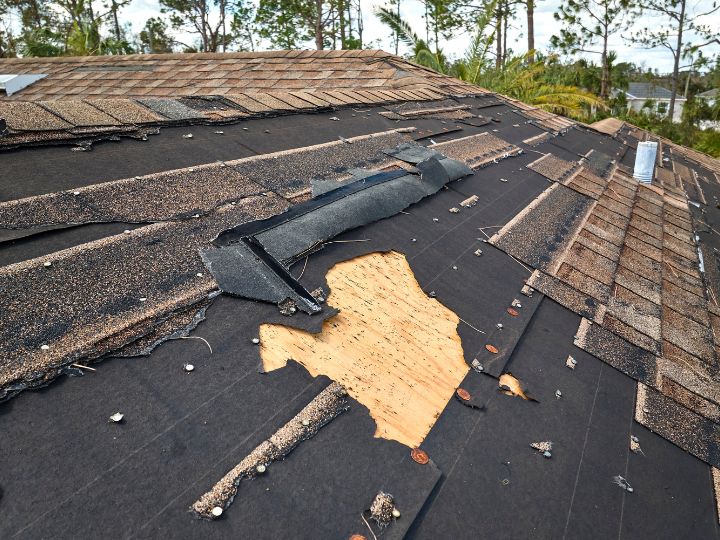
Once it's safe to walk around, do a quick visual check of your property from the ground. You're not trying to climb on the roof at this point. You're just looking for obvious signs that something happened: missing or shifted shingles, visible debris on the roof, damage to gutters or siding, dented vents or skylights, or water stains inside your home near windows and ceilings.
Take notes, take photos, and don't throw anything away yet.
Step 2: Document Everything
This is one of the most important things you can do after a storm, and it's something a lot of homeowners skip. Documentation is what supports your insurance claim. The more thorough you are here, the smoother the claims process will go.
Walk your property and photograph everything — not just obvious damage, but the full exterior of your home, your roof from the ground, your gutters, your siding, your fence, your vehicles, and any debris on the ground. If you can safely photograph from a second-floor window or a ladder with someone spotting you, great. If not, let a professional do it.
Write down the date and time of the storm, and note any weather alerts or news coverage you can reference. The National Weather Service keeps records of storm events by location, which can be useful documentation when you file your claim.
Step 3: Call a Trusted Local Roofing Contractor — Not a Storm Chaser
After major storms, you're going to see out-of-state roofing crews rolling through your neighborhood offering quick inspections and deals that seem too good to be true. These are often storm chasers — contractors who follow weather events from state to state, do fast work without local accountability, and disappear before any problems surface.
Instead, call a local, licensed, and insured roofing contractor who knows Northern Virginia homes and weather patterns — and who will still be here if you need them months from now.
At Cassella Roofing, we provide thorough post-storm inspections that cover your full roof system: shingles, flashing, vents, pipe boots, gutters, downspouts, soft metals, and more. We document everything with photos and give you a clear, honest assessment of what's cosmetic and what actually needs attention.
Our inspection process includes:
Full roof evaluation from the ground and on the roof
Hail and wind damage assessment
Inspection of shingles, flashing, vents, and roof penetrations
Soft metal inspection (gutters, downspouts, chimney caps, ridge caps, and accessories)
Photo documentation of all damage found
Honest repair vs. replacement recommendations
Insurance claim guidance when applicable
Step 4: Contact Your Insurance Company
Once you have your documentation and a contractor's assessment in hand, it's time to call your homeowner's insurance company and report the damage. Most policies have a window for filing storm damage claims, so don't wait too long.
When you call, have the following ready:
Date and time of the storm
Photos and videos of the damage
A written summary of what was found (your contractor's report is perfect for this)
Your policy number
Your insurer will assign an adjuster to come inspect the property. This is where having your own contractor's documentation is really valuable — it ensures that nothing gets missed or overlooked during the adjuster's visit. At Cassella Roofing, we're happy to be present during your adjuster's inspection to walk through our findings and make sure your damage is accurately represented.
Step 5: Protect Your Home from Further Damage
If your roof or siding has sustained significant damage, you may need temporary protective measures to prevent water intrusion while you wait for repairs to be scheduled. This can include tarping damaged sections or boarding up broken areas.
Keep all receipts for any emergency protective measures you take — most insurance policies will reimburse you for reasonable steps taken to prevent further damage.
Common Storm Damage We See in Northern Virginia
Not all storm damage is obvious. Here's what we're typically looking for during a post-storm inspection:
Hail Damage Hail leaves impact marks on shingles, knocks granules loose, and dents soft metals like gutters, downspouts, vents, flashing, and chimney caps. Granule loss on shingles may not cause an immediate leak but it significantly shortens your roof's lifespan.
Wind Damage High winds can lift, crease, or remove shingles entirely. Even if shingles look intact from the ground, they may have broken seals or hidden lifts that allow water to get underneath.
Soft Metal Damage Your gutters, downspouts, flashing, vents, drip edge, chimney caps, and other roof accessories are often the first things impacted by hail and flying debris. This type of damage is easy to miss but it's what insurance adjusters are trained to look for when evaluating claims.
Tree and Debris Impact Fallen branches can crack or puncture shingles, damage flashing, and even compromise the structural decking beneath. Always have a contractor check for hidden damage after any tree or large debris contact with your roof.
Roof Leaks After Storms If you're seeing water stains on your ceilings or walls after a storm, that's a sign that water has already found a way in. This needs attention immediately to prevent mold growth and structural damage.
Don't Wait to Get Your Roof Inspected
One of the biggest mistakes homeowners make after a storm is assuming that if there's no obvious leak, the roof is fine. That's not always the case. Storm damage — especially hail damage and soft metal damage — can be invisible to the untrained eye and still impact your home's protection and the value of your insurance claim.
Getting a professional inspection within a few days of a major storm is the smartest thing you can do for your home and your wallet.
Ready to schedule your post-storm inspection? Call Cassella Roofing at (571) 594-6393 or visit cassellaroofing.com/contact-us to get started. We serve homeowners throughout Fairfax County, Loudoun County, Prince William County, Fauquier County, and the surrounding Northern Virginia communities.
