
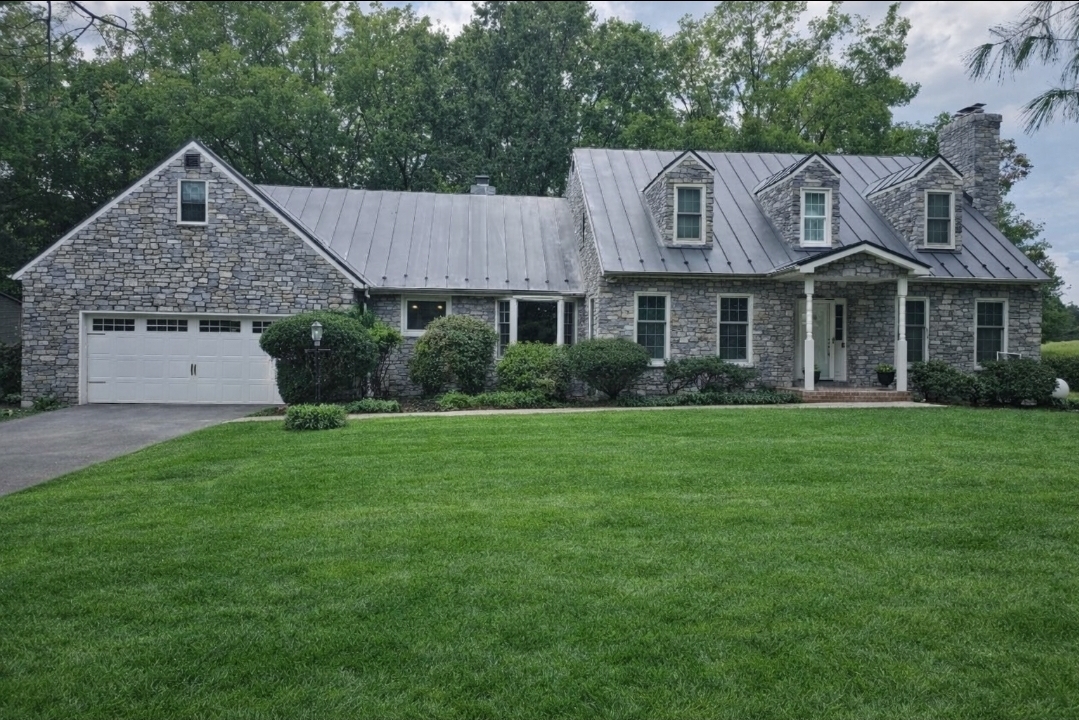
Is Metal Roofing Worth the Investment? Cost, Lifespan, and Storm Performance
A new roof is one of the biggest exterior investments you’ll make on your home. When you start getting quotes, you’ll notice metal roofing costs noticeably more than asphalt shingles. That naturally raises the question: is it actually worth it?
The honest answer is that it depends on your home, your budget, and how long you plan to stay. This guide breaks down the real costs and benefits so you can decide with confidence.
How Much Does a Metal Roof Cost?
Metal roofing typically costs about two to three times as much as a standard asphalt shingle roof upfront. The exact price depends on several factors:
Type of metal: Steel is the most common and the most affordable. Aluminum and copper cost more, and copper is a true premium material.
Panel style: Corrugated panels cost less than standing seam, which requires more material and more precise installation. (We compare the two in our guide to standing seam vs. corrugated metal roofing
Roof size and complexity: Dormers, valleys, skylights, chimneys, and steep pitches all add labor.
Gauge and finish: Thicker metal and higher quality coatings cost more but perform better.
Tear-off and decking repairs: Removing old roofing and fixing damaged decking are part of the total price.
Because every roof is different, the only reliable number is a written estimate based on an actual inspection of your home.
Lifespan: Where Metal Pulls Ahead
This is where the investment starts to make sense. General lifespan ranges look like this:
If you plan to stay in your home for the long haul, a metal roof may be the last roof you ever buy. A shingle roof, by comparison, may need to be replaced once or twice over the same period. When you compare cost per year of service instead of sticker price, the gap between the two narrows considerably, and in some cases metal comes out ahead.
Actual lifespan depends on installation quality, ventilation, climate, and maintenance, so these are general ranges, not guarantees.
Storm Performance in Northern Virginia
Our area deals with heavy thunderstorms, strong winds, freezing winters, and the occasional hail event. Here’s how metal handles each.
Wind. Properly installed metal roofing systems are engineered to resist very high winds. Interlocking panels and concealed clip systems hold the roof together, and many metal systems carry strong wind ratings. The key phrase is “properly installed.” Fastener spacing, trim details, and edge flashing make a real difference.
Rain. Metal sheds water quickly and doesn’t absorb moisture. Standing seam is especially strong in wind-driven rain because there are no exposed fasteners on the surface.
Snow and ice. Smooth metal surfaces shed snow, which reduces weight on the roof. Snow guards can control where it falls, which is important above entryways and walkways.
Hail. This is the one area where expectations matter. Metal is not hail-proof. Thinner panels can dent, though many dents are cosmetic and don’t affect how the roof performs. Thicker gauges resist denting better, and some metal products carry a Class 4 impact rating. If your home has been hit by hail, an inspection is the best way to find out what the roof actually sustained. See our page on hail damage roof repair for what to look for.
Fire. Metal is noncombustible, and many metal roofing systems earn the highest fire rating. That’s a real safety advantage, especially from flying embers.
The Other Benefits That Add Up
Storm performance and lifespan are the headline features, but metal brings other advantages.
Energy efficiency: Reflective coatings bounce solar heat away from your home, which can help reduce summer cooling costs. Savings vary with your insulation, ventilation, and color choice.
Low maintenance: Metal doesn’t rot, crack, or grow moss easily, and it doesn’t shed granules into your gutters. An annual look from the ground and a post-storm check are usually enough.
Curb appeal and resale value: A well-installed metal roof stands out, and many buyers see it as a long-term upgrade. How much value it adds depends on your market and neighborhood.
Insurance savings: Some insurers offer discounts for impact-rated or storm-resistant roofs. Policies vary, so ask your provider what they offer.
Sustainability: Many metal roofing products contain recycled content and are fully recyclable at the end of their life.
The Downsides to Consider
A fair comparison includes the drawbacks.
Higher upfront cost: This is the biggest barrier for most homeowners.
Installation matters more: Metal roofing is less forgiving of poor workmanship than shingles. Choose an experienced installer.
Denting is possible: Hail or a fallen branch can dent thinner panels.
Noise perception: With solid decking and underlayment, rain noise is typically comparable to other roofs, but it’s worth discussing if it concerns you.
Repairs can be harder to match: Panel profiles and colors can change over time, so matching an older roof for repairs may take some planning.
So, Is It Worth It?
Metal roofing is usually worth the investment if:
You plan to stay in your home 10 to 15 years or longer
You want the best possible protection against wind, rain, and fire
You want to avoid replacing your roof again
You value low maintenance and strong curb appeal
Asphalt or architectural shingles may be the better fit if:
You’re planning to sell in the next few years
Your budget is tight and you need the lowest upfront cost
Your neighborhood or HOA restricts metal roofing
Neither choice is wrong. The right roof is the one that fits your goals, your budget, and your home.
Check Your HOA and Local Rules First
Some Northern Virginia neighborhoods, including historic districts and HOA communities, restrict roofing materials, profiles, or colors. Confirm the rules before you commit. We’re happy to help you review them so there are no surprises.
Frequently Asked Questions
How much more does a metal roof cost than shingles?
Typically two to three times more upfront, depending on the metal, style, and complexity of your roof. A free inspection and written estimate is the only way to get an accurate number.
Will a metal roof increase my home’s value?
Often it does, because buyers appreciate the longevity and low maintenance. The amount varies by market, so it’s best viewed as one benefit among several, not a guaranteed return.
Does homeowners insurance cover storm damage to a metal roof?
Coverage depends on your policy and the cause of the damage. If a storm has damaged your roof, our team can help with insurance claim assistance, including documenting the damage.
Can metal roofing be installed over shingles?
Sometimes, depending on code and the roof’s condition. In many cases, a tear-off is the better choice so the decking can be inspected and repaired.
How long does a metal roof installation take?
Many residential projects take a few days to a couple of weeks, depending on size, weather, and complexity.
Get a Straight Answer for Your Home
Whether metal roofing is worth it for you comes down to the details of your roof and your plans. At Cassella Roofing, we’ll inspect your roof, explain your options in plain language, and give you a clear written estimate with no pressure.
We serve homeowners across Northern Virginia, including Fairfax, Arlington, Loudoun, Prince William, and Fauquier counties.
Schedule your free roof assessment or call us at (571) 594-6393.
